
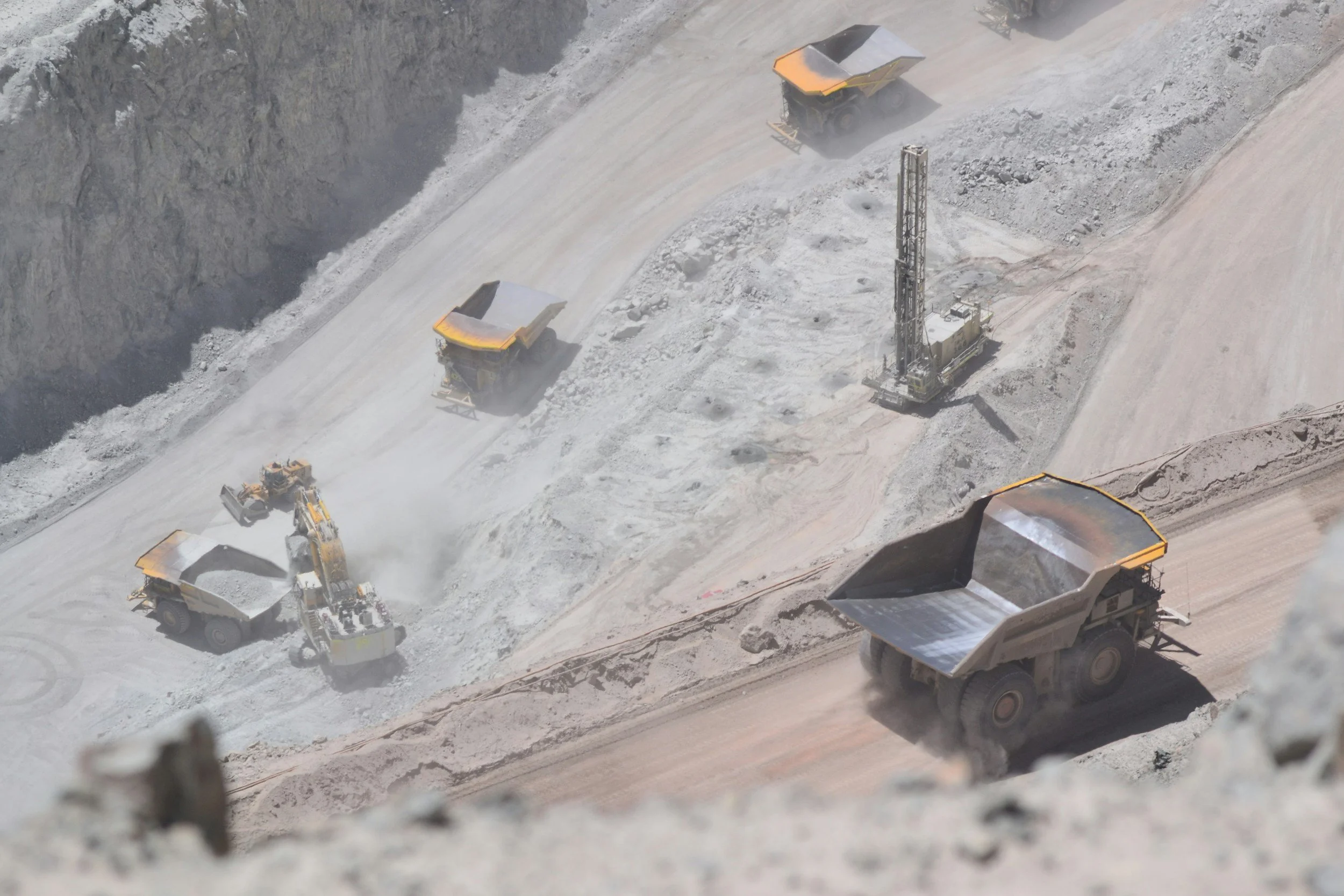
Understand your haulage options before you commit to one
Independent system engineering for materials handling
We develop and compare trucks, conveyors and hybrid solutions on equal terms. From preliminary assessment to feasibility studies, before a haulage system is locked into the mine plan.
WHY WE EXIST
Haulage is the biggest cost in surface mining. Its engineering is rarely challenged.
60%
Haulage can represent as much as 60% of mining operating costs for large open pits
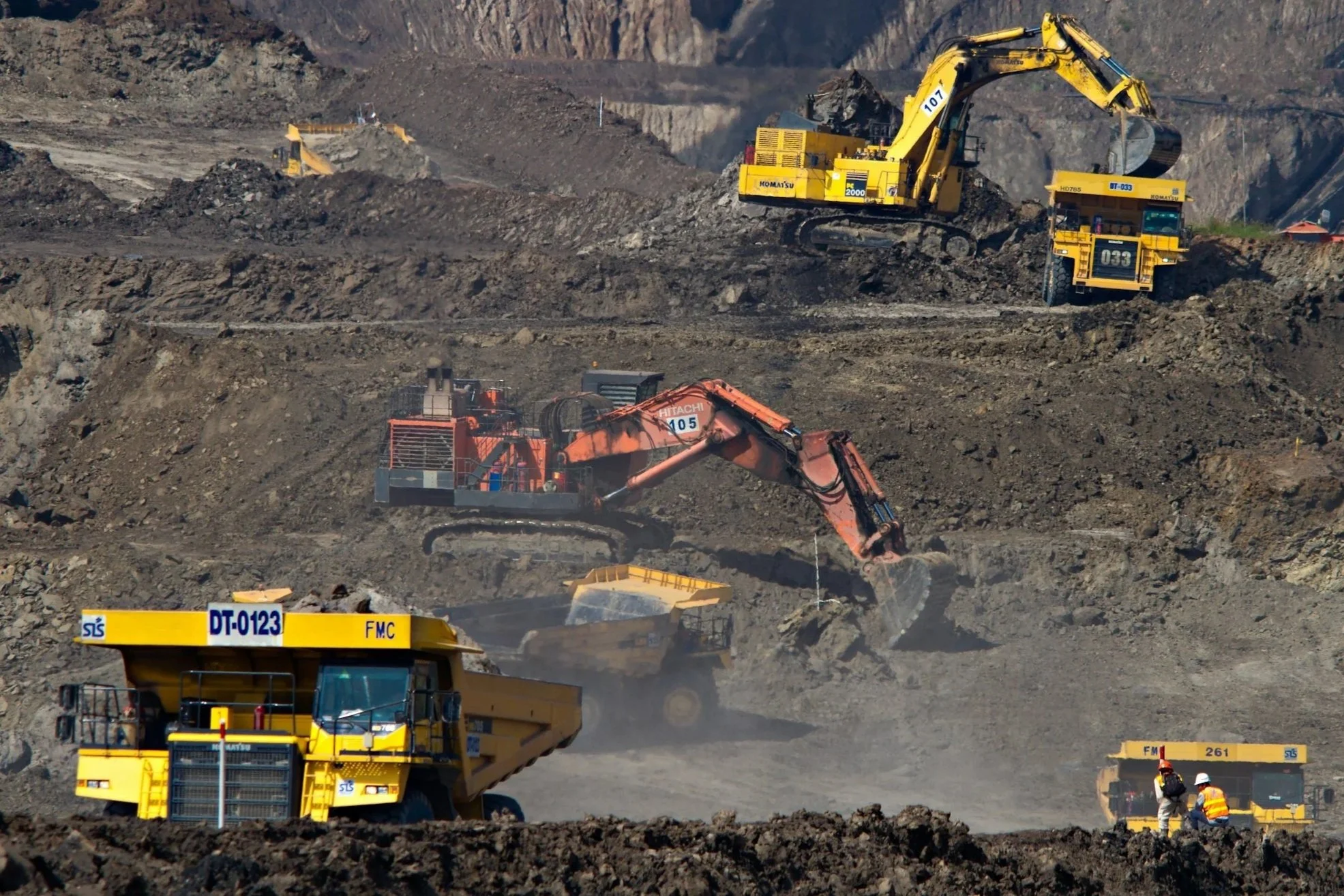

Three reasons haulage goes unchallenged.
FRAGMENTED EXPERTISE
Trucking, conveying, mining, geotechnical and civil expertise rarely sit under one mandate to compare alternatives holistically.
01
COMPETING PRIORITIES
Early studies focus on geology and metallurgy. Haulage is often carried forward on standard assumptions and rarely gets the same scrutiny.
02
EARLY LOCK-IN
Haulage configurations are typically fixed at PFS and FS phases. Changing them later costs both schedule and capital.
03
Case Study
Seabridge Gold worked with the Colorado School of Mines to develop an alternative mine plan combining trucks and conveyors for the KSM project. The trade-off study challenged the status-quo and identified significant opportunities.
$445 M
Potential uplift of Project NPV (net present value)
18.9%
Potential reduction of haulage NPC (net present cost)
58%
Potential reduction of CO2 emissions.
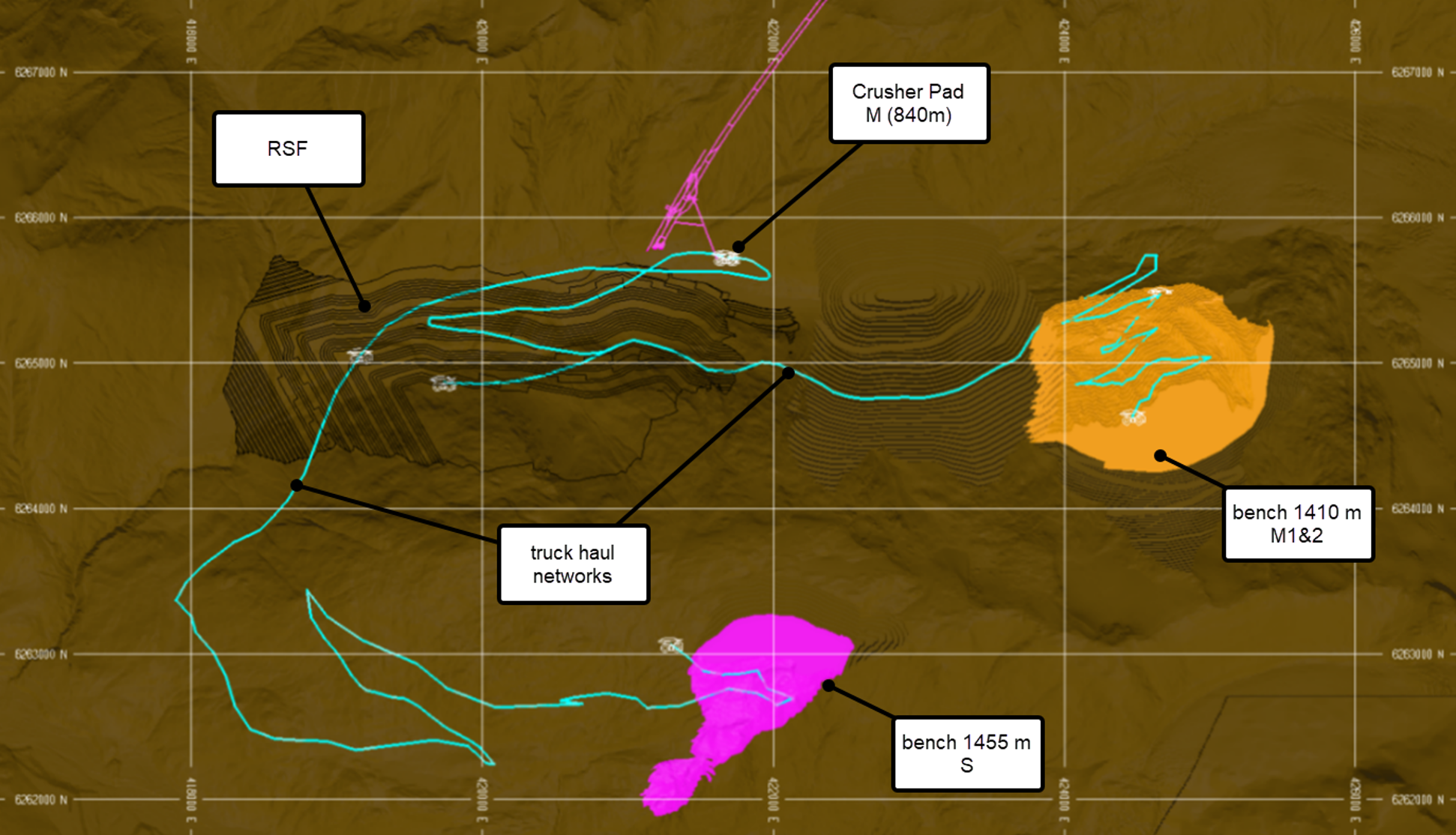
Base Line: truck-only mining system at year 9
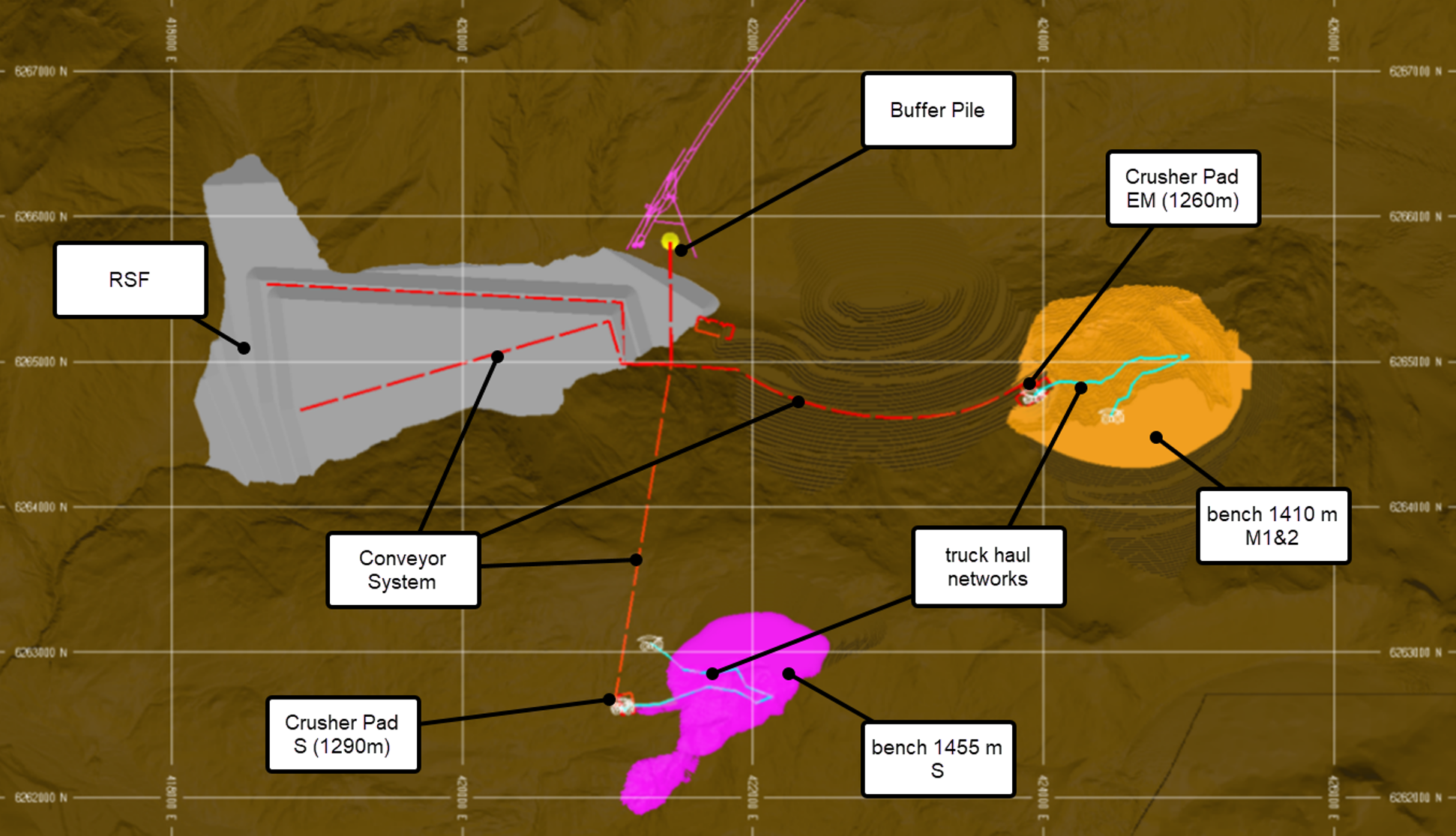
Alternative: hybrid mining system at year 9
The trade-off study will be presented at the MINEXCHANGE 2027 SME Annual Conference